
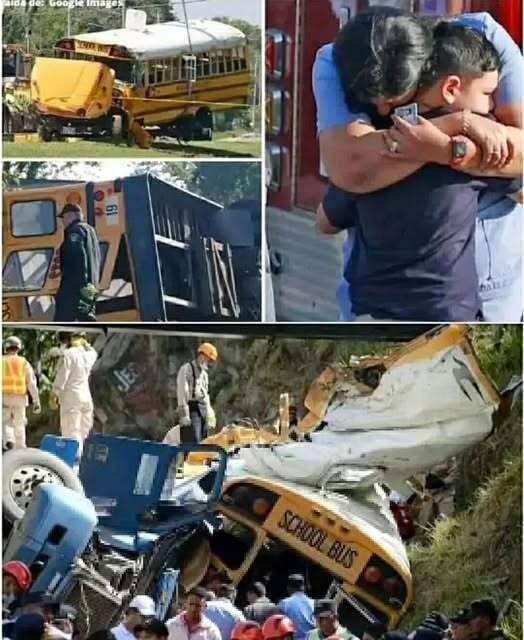
Eight years have passed since Tanzania experienced one of the most devastating tragedies in its modern history—a tragedy that silenced young voices, shattered families, and left a permanent mark on the nation’s conscience. On May 6, 2017, a school bus carrying pupils from Lucky Vincent Primary School in Arusha was involved in a catastrophic accident in Karatu District. By the end of that tragic day, 32 children, two teachers, and a devoted driver had lost their lives. What was meant to be a journey of academic aspiration became a moment of national heartbreak, one that continues to echo across generations.
Time has moved forward, but the memory of that day remains vivid. Each passing year serves not as a reminder of fading grief, but as a renewed call to remember, to reflect, and to recommit to protecting the lives of children. The Karatu school bus tragedy was not merely an accident; it was a turning point that exposed vulnerabilities in road safety, emergency preparedness, and child protection. It united a grieving nation while also challenging it to do better.
A Journey Filled with Hope and Promise
The children aboard the bus were pupils from Lucky Vincent Primary School, one of Tanzania’s well-known academic institutions. They were traveling from Arusha to Karatu to participate in a mock national examination—an important step in their educational journey. For many of them, the trip represented more than just an exam. It symbolized hard work, ambition, and the belief that education could open doors to a brighter future.
That morning, the bus was filled with youthful excitement. Students chatted with friends, reviewed notes, laughed, and sang songs as they made their way through the scenic yet challenging terrain of northern Tanzania. Teachers accompanying them offered encouragement, guidance, and reassurance. The driver, familiar with the route and entrusted with the children’s safety, navigated the winding roads that cut through hills and valleys.
The Karatu region, while breathtakingly beautiful, is known for its steep slopes and sharp bends. On that day, the roads were wet and slippery due to rainfall. As the bus approached a dangerous curve near a ravine, disaster struck. The vehicle lost control, veered off the road, and plunged into a deep gorge below. In a matter of seconds, joy turned into chaos, and lives were irrevocably changed.
The Immediate Aftermath: Chaos, Courage, and Compassion
When the bus crashed into the ravine, the impact was devastating. The vehicle was severely damaged, metal twisted beyond recognition, windows shattered, and belongings scattered across the crash site. Survivors cried out for help, while others lay silent. The scene was one of unimaginable horror.
Local residents were among the first to respond. Hearing the crash, villagers rushed toward the ravine without hesitation, driven by instinct and compassion. Armed with little more than ropes, bare hands, and determination, they descended into the gorge to rescue survivors. Despite the danger, they worked tirelessly, pulling injured children from the wreckage and carrying them to safety.
Emergency responders soon arrived, joined by police officers, medical personnel, and volunteers. Hospitals in the region were overwhelmed as they struggled to treat the injured. Doctors and nurses worked through the night, doing everything possible to save lives. For many, however, help came too late.
The bravery displayed that day became a powerful reminder of humanity’s capacity for selflessness. Ordinary citizens risked their own lives for the sake of others, proving that even in the darkest moments, compassion can shine through.
A Nation in Mourning
News of the tragedy spread rapidly throughout Tanzania. Radio and television stations interrupted regular programming to report on the unfolding disaster. Newspapers printed heartbreaking images on their front pages. Social media platforms filled with messages of shock, grief, and solidarity.
The scale of the loss—so many young children, along with their teachers and driver—struck a deep emotional chord. These were not anonymous victims; they were sons and daughters, classmates and friends, symbols of the nation’s future. The pain was collective, felt in homes, schools, churches, mosques, and marketplaces across the country.
Then-President John Pombe Magufuli declared a period of national mourning. Flags were flown at half-mast, and public events were postponed. The president addressed the nation, expressing profound sorrow and calling on Tanzanians to unite in prayer and support for the affected families. His words reflected the grief of an entire country struggling to come to terms with an unimaginable loss.
Across Tanzania, people gathered to mourn together. Candlelight vigils were held in cities and rural areas alike. Religious leaders led prayers, choirs sang hymns, and tears were shed openly. The tragedy transcended political, ethnic, and religious boundaries, reminding Tanzanians of their shared humanity.
Miracles Amid Tragedy: The Survivors’ Story
Amid the overwhelming sorrow, a small but powerful story of hope emerged. Three children—Wilson, Sadia, and Doreen—survived the crash. Though they sustained severe injuries, their survival was nothing short of miraculous.
Their condition initially remained critical, and medical teams in Tanzania worked tirelessly to stabilize them. As news of their survival spread, the nation rallied behind them. Messages of encouragement poured in, and Good Samaritans offered support in any way they could.
Recognizing the complexity of their injuries, arrangements were made for the children to receive advanced medical care abroad. With assistance from international partners and charitable organizations, the three survivors were flown to the United States for specialized treatment. Their journey toward recovery was long and filled with challenges, but their determination never wavered.
Over time, their health improved. Each milestone—learning to walk again, returning to school, smiling after months of pain—was celebrated across Tanzania. Their resilience became a source of inspiration, a reminder that even after immense tragedy, life can endure. In a story defined by loss, these children became living symbols of hope and perseverance.
A Catalyst for Change: Road Safety and Policy Reforms
The Karatu tragedy sparked urgent national discussions about road safety and transportation standards, particularly those involving schoolchildren. Questions were raised about vehicle maintenance, driver training, road conditions, and emergency preparedness. Many asked how such a devastating accident could have been prevented.
In response, the government introduced a series of reforms aimed at improving safety. Stricter regulations were implemented for school transport vehicles, including mandatory inspections and enhanced safety requirements. Driver certification processes were strengthened, emphasizing experience, training, and accountability.
Infrastructure development also gained renewed attention. Road improvement projects were launched in high-risk areas, particularly in mountainous regions like Karatu. Efforts were made to improve signage, road barriers, and drainage systems to reduce the risk of accidents during adverse weather conditions.
In addition, awareness campaigns were introduced in schools to teach children basic road safety and emergency response skills. While challenges in implementation remained, the tragedy served as a constant reminder of the importance of vigilance and responsibility.
Honoring the Fallen: Memory and Remembrance
Eight years later, the victims of the Karatu accident are not forgotten. Their memories are preserved through annual commemorations, both formal and informal. Families, teachers, students, and community members gather near the crash site to honor those who lost their lives. Flowers are laid, candles are lit, and prayers are offered.
During remembrance ceremonies, the names of the victims are read aloud, ensuring that each life is acknowledged and remembered. Former classmates share stories—of laughter in the classroom, of shared dreams, of friendships that ended too soon. Teachers recall students who showed exceptional curiosity, leadership, or kindness.
These stories serve as a bridge between past and present, allowing the spirits of the children to live on through memory. Though grief remains, it is accompanied by pride in the lives they lived and the impact they continue to have.
Community Strength and Lasting Impact
Beyond individual remembrance, the tragedy gave rise to lasting community initiatives. Scholarship programs were established in honor of the victims, helping other children pursue their education. Charity events and fundraisers were organized to support affected families and promote road safety awareness.
International organizations partnered with local groups to improve school transportation systems and provide counseling services for those affected by the tragedy. These efforts reflected a shared commitment to ensuring that the loss was not in vain.
Over time, what began as a moment of devastation evolved into a movement for change. Communities learned the value of solidarity, resilience, and proactive action. The tragedy became a powerful lesson in the importance of protecting the most vulnerable members of society.
Eight Years Later: Grief, Growth, and Resilience
As Tanzania marks the eighth anniversary of the Karatu school bus tragedy, emotions remain complex. The pain of loss has not disappeared, but it has been accompanied by growth, strength, and determination. Survivors have continued to heal, families have rebuilt their lives, and communities have transformed grief into purpose.
The tragedy stands as both a warning and a testament—an illustration of what can be lost when safety fails, and what can be gained when people unite in compassion. It reminds the nation that resilience is not the absence of sorrow, but the ability to rise despite it.
A Legacy That Endures
Today, the 32 students, two teachers, and one devoted driver are remembered not only as victims of a tragic accident, but as symbols of hope, unity, and responsibility. Their legacy lives on in improved regulations, safer roads, and a heightened awareness of the value of human life.
As the nation pauses once more to reflect, Tanzania honors their memory with renewed commitment—to protect children, to uphold safety standards, and to ensure that such a tragedy is never repeated. Though time continues to pass, the story of Karatu remains a powerful reminder that even in the depths of sorrow, the human spirit can endure, inspire, and unite.